Is a home security system worth it? Weighing the real value of professional home security
Annie Eyre
Jul 15, 2026
According to the FBI's Uniform Crime Reporting Program, the average financial loss from a single burglary in the United States is approximately $2,661. That figure doesn't include the emotional stress, damaged doors or windows, or the time spent replacing stolen belongings.
For many homeowners, that reality raises an important question: Is ADT monitoring worth it? Or is a self-monitored camera enough?
The answer depends on what you're trying to protect. Cameras can help you see what's happening, but professionally monitored security systems help ensure someone takes action when you're unable to. If you're deciding between DIY monitoring and a professionally monitored system, you’ll need to understand the real return on investment to make the right choice.
The true cost of a burglary vs. the price of protection
Monthly monitoring fees are often the biggest hesitation homeowners have when shopping for security systems. It's understandable; adding another recurring expense deserves careful consideration.
But it's helpful to compare that monthly cost against what a burglary can actually cost.
Average burglary loss: $2,661
That figure represents stolen property alone. In many cases, homeowners also face:
Broken windows or damaged doors
Repairs to locks and entry points
Temporary housing if the home is severely damaged
Lost family heirlooms or irreplaceable valuables
Time spent filing insurance claims and replacing possessions
The emotional toll can be just as significant. Many burglary victims report feeling less safe in their own homes long after repairs are complete.
Viewed over several years, the cost of professional monitoring often represents only a fraction of the financial losses that can result from a single successful break-in. More importantly, monitoring aims to prevent losses or reduce their severity through faster emergency response.
Instead of asking only whether the subscription is expensive, it helps to ask a different question: What is the cost of having no monitored protection when an emergency occurs?
Do security systems actually deter burglars?
Research consistently shows that visible security systems influence criminal behavior during target selection.
Key finding: Homes without security systems are approximately 300% more likely to be burglarized than those protected by security systems.
Burglars generally prefer easy opportunities. During target selection, they often look for homes that appear unoccupied or lack visible security measures. A professionally installed system with yard signs, window decals, visible cameras, and smart lighting immediately makes a property look more difficult to enter successfully.
Studies of convicted burglars have found that visible alarm systems are among the factors most likely to cause them to abandon a target and look elsewhere.
This is where the answer to “Do home security systems deter burglars?” becomes much clearer.
Security systems aren't simply tools for documenting crime after it happens. They actively discourage many crimes from occurring in the first place.
Criminals often distinguish between:
Soft targets: homes with little visible protection and fewer obstacles
Hard targets: homes with alarms, cameras, lighting, and signs of active monitoring
Most opportunistic burglars prefer soft targets because they reduce the risk of being interrupted or identified.
Professional monitoring strengthens that deterrent by adding another layer of risk for would-be intruders. Knowing that an alarm could immediately trigger emergency dispatch makes monitored homes significantly less attractive.
Why professional monitoring outperforms DIY apps
Many homeowners already own cameras that send alerts to their phones. Those notifications provide useful visibility, but only if someone is available to respond.
This is where many people who ask “Is professional monitoring worth it for my home security?” discover the biggest difference.
Imagine receiving an alert while:
You're asleep.
Your phone is on silent.
You're on an airplane.
You're in an important meeting.
You're hiking without service.
You're experiencing a medical emergency.
A self-monitored system depends entirely on your ability to notice and act.
By comparison:
Self-monitored: You receive a notification and decide whether to call emergency services.
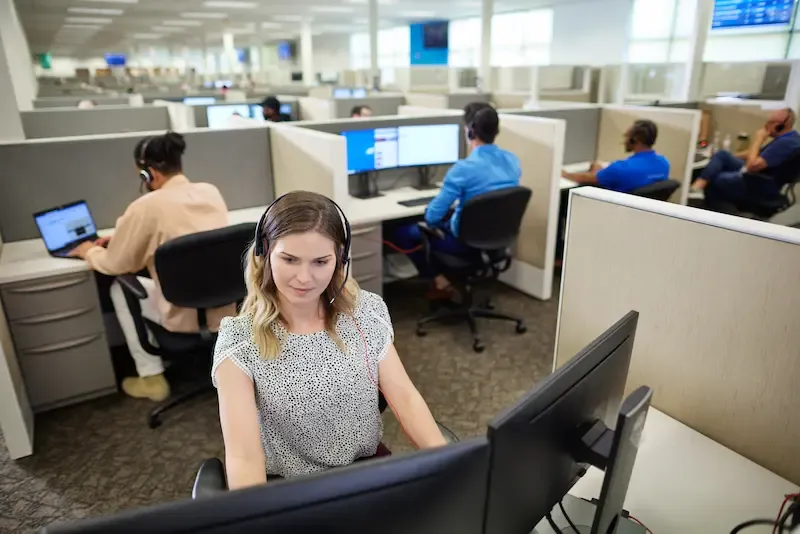
Professionally monitored: A monitoring center evaluates the alarm and contacts emergency responders if necessary, even when you can't answer your phone.
Professional monitoring also extends beyond burglary protection. Many monitored systems can respond to:
Smoke and fire alarms
Carbon monoxide detection
Medical emergency alerts
Flood and environmental sensors
This broader protection is one reason many homeowners consider ADT among the best professional monitoring home security system options. Rather than relying solely on smartphone notifications, professionally monitored systems provide around-the-clock response designed to protect both property and the people inside it.
The hidden ROI: Insurance discounts and smart integration
The value of professional monitoring isn't limited to preventing crime.
Many homeowners qualify for a home security system insurance discount when they install a professionally monitored alarm system. While discounts vary by insurer and policy, many providers offer premium reductions that can help offset a portion of monthly monitoring costs.
If your annual homeowners insurance premium is several thousand dollars, even a modest percentage discount may add up over time.
Pro Tip: Contact your insurance company before purchasing a security system. Ask whether they offer a home security system insurance discount, what documentation they require, and whether professional monitoring is necessary to qualify.
Modern, professionally monitored systems also support smart home automation, which can provide everyday convenience and potential energy savings.
Depending on the system, you may be able to:
Adjust smart thermostats remotely
Schedule indoor and outdoor lighting
Lock or unlock smart door locks
Receive notifications when family members arrive home
Automate routines when leaving or returning home
Instead of just serving as an alarm, today's monitored systems often become the central hub for managing your home's connected devices.
Addressing the downsides: Contracts and false alarms
Professional monitoring isn't perfect, and it's worth understanding the trade-offs before signing up.
Myth: Long-term contracts are always bad.
Reality: Contracts can sometimes provide lower equipment costs, installation incentives, or locked-in pricing. Before choosing a provider, review cancellation terms, contract length, and upgrade options so you know exactly what you're agreeing to.
Myth: Security systems constantly trigger false alarms.
Reality: Modern systems have become much more accurate. Advanced motion sensors and AI-powered cameras can distinguish between pets and people, reducing unnecessary alerts while maintaining strong protection.
Subscription fatigue
Subscription fatigue is another common concern. Many homeowners already pay for streaming services, cloud storage, and other recurring expenses.
The important question isn't simply whether there's a monthly fee; it's whether that fee provides measurable value through emergency response, property protection, and additional services.
Professional installation also plays an important role. Proper placement of sensors, cameras, and entry detectors improves reliability and reduces hardware issues that can occur with improperly installed equipment.
Summary: What you need to know before buying
Before choosing a security system, keep these key points in mind:
Homes with security systems are significantly less likely to be burglarized, making visible protection one of the strongest deterrents available.
Professional monitoring provides emergency response even when you miss a notification, lose phone service, or cannot respond yourself.
A home security system insurance discount may offset part of your monitoring costs, making long-term ownership more affordable.
The average burglary loss of approximately $2,661 can easily exceed the annual cost of professional monitoring for many homeowners.
The best value comes from combining visible deterrence, smart home automation, and 24/7 professional monitoring—not relying on cameras alone.
So, is it worth it? A quick decision framework
If you're still wondering “Is ADT monitoring worth it?”, ask yourself these questions:
Do you frequently travel or spend long hours away from home?
Would anyone respond quickly if you missed an emergency alert?
Does your homeowners insurance offer discounts for professionally monitored systems?
Are you looking for protection against fire, carbon monoxide, and medical emergencies—not just burglary?
Would greater peace of mind for your family justify a manageable monthly monitoring cost?
If you answered "yes" to several of these questions, professional monitoring is likely to provide meaningful value.
Ultimately, “Is professional monitoring worth it for my home security?” is more than a financial question. It's also about reducing risk, improving emergency response, and knowing your home is protected even when you can't monitor it yourself.
For homeowners comparing options, look for systems that combine smart home features, reliable equipment, and 24/7 professional monitoring. Those elements work together to create protection that's proactive rather than reactive.
Ready to explore your options? Compare professionally monitored systems, estimate your potential insurance savings, and learn more with our Home Security Guide to find the solution that best fits your home and budget.