
Change
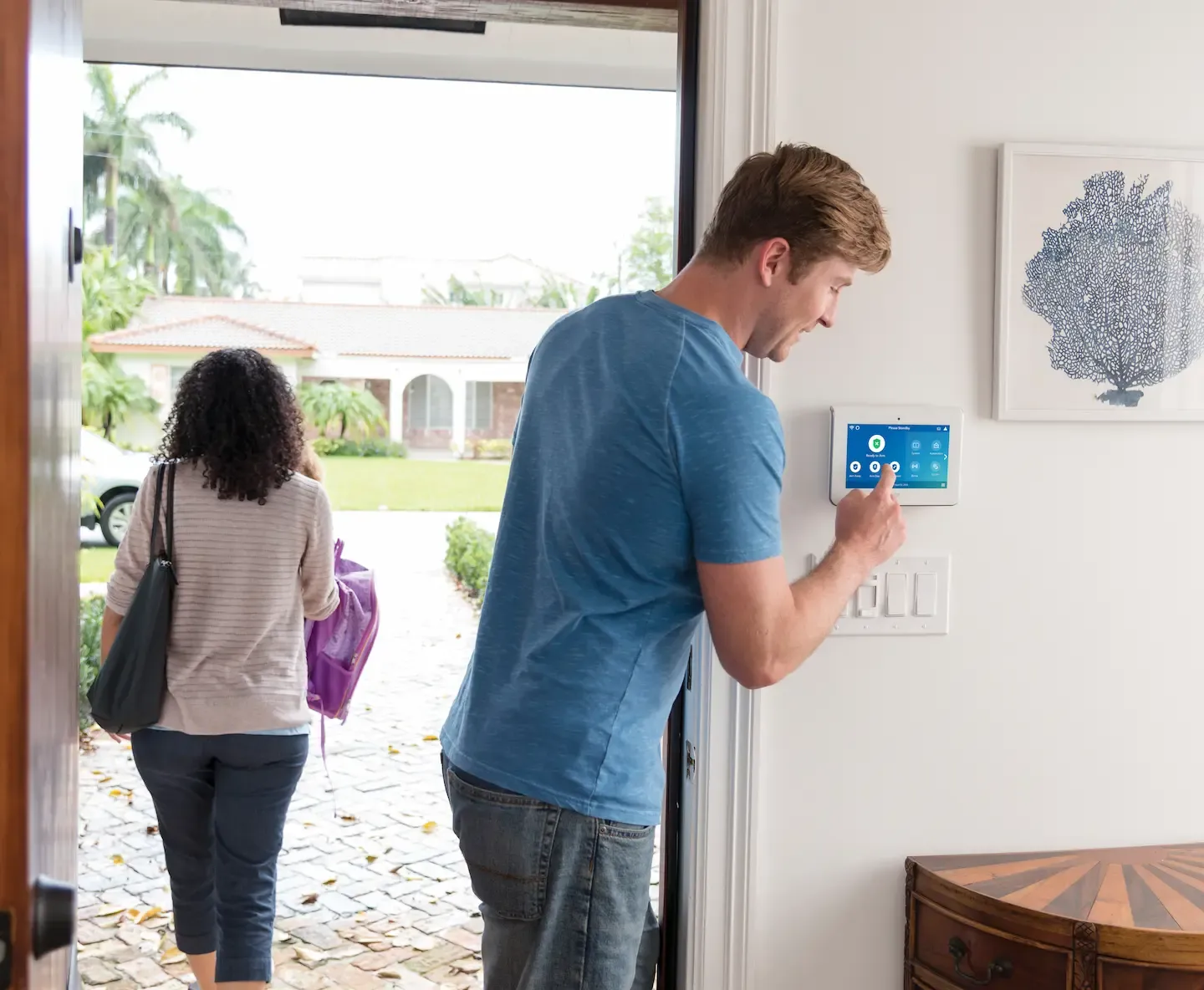
A man in a blue t-shirt operates a wall-mounted smart home security panel while a woman walks out the front door.

ADT home security guide

In this guide, we break down everything you need to know about ADT home security—from how it works and what equipment you get to pricing, contracts, and real-world comparisons. We want to help you make an informed decision, not sell you a system.

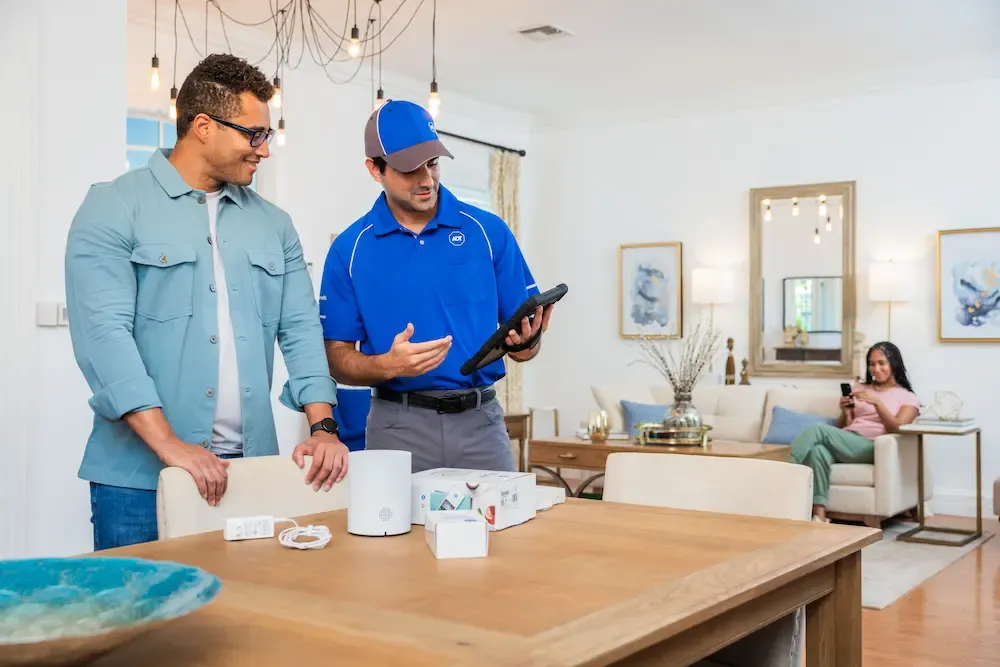
An ADT technician in a blue uniform uses a tablet to explain a home security system to a customer while standing near a table with equipment.

What is ADT home security?

ADT home security is a professionally monitored security system that connects your home to 24/7 monitoring centers for emergency response. When an alarm is triggered, trained agents assess the situation and dispatch police, fire, or medical services if needed.

Founded in 1874, ADT is one of the longest-running security providers in the U.S. What sets it apart is its nationwide monitoring infrastructure and emphasis on professional response, rather than relying solely on self-monitoring through an app.

How ADT home security works

An ADT employee wearing a headset and smiling while working at a dual-monitor desk setup.

Professional monitoring explained

Scenario: It’s 2 a.m., and your back door sensor is triggered while you’re asleep.

The system immediately sends a signal to ADT’s monitoring center. Within seconds, an agent reviews the alert, attempts to contact you, and if there’s no response—or a confirmed emergency—dispatches authorities. This rapid escalation is what defines professional monitoring.

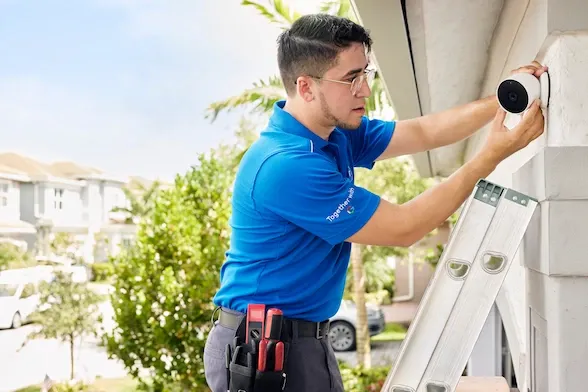
ADT tech installing outdoor camera

Installation process

Scenario: You’ve just signed up for ADT and want everything set up correctly the first time.

ADT typically sends a professional technician to install and test your system. They place sensors, connect devices, and ensure everything communicates with the control panel. Some newer packages also support DIY installation, but most customers opt for professional setup for reliability.

woman with phone looking at adt control app

Mobile app and smart home integration

Scenario: You’re at work and want to check if you armed the system.

The ADT app lets you arm/disarm your system, view camera feeds, receive alerts, and control smart devices remotely. Integration with platforms like Amazon Alexa allows voice control and automation, tying security into a broader smart home setup.

ADT equipment and devices

Wondering what equipment comes with ADT? We’ve got you covered.

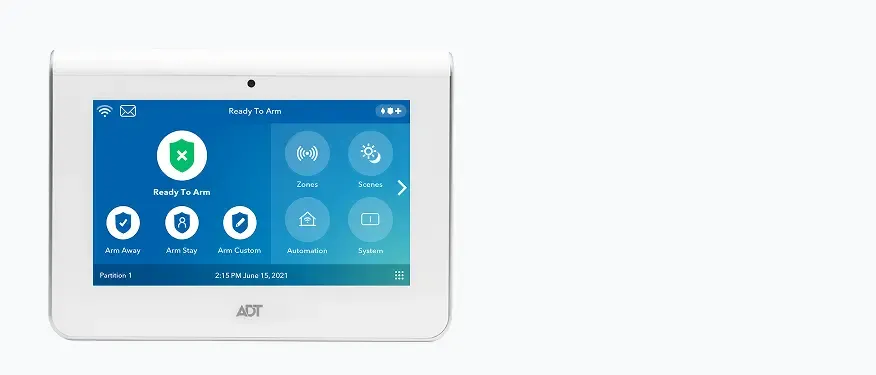
ADT command panel

Control panel and hub

The control panel is the system’s brain. It connects all sensors and communicates with ADT monitoring centers. Typically touchscreen-enabled, it allows you to arm/disarm the system, view alerts, and manage devices. It’s usually installed in a central location, such as an entryway.

Door an window sensor

Door and window sensors

These small, discreet devices detect when doors or windows open. When armed, they trigger an alert if breached. They’re battery-powered and wireless, making them easy to install and expand across multiple entry points.

Motion sensor

Motion detectors

Motion sensors monitor movement inside your home. They’re often placed in hallways or large rooms and can distinguish between pets and humans, reducing false alarms. When triggered, they send an immediate alert to the control panel and monitoring center.

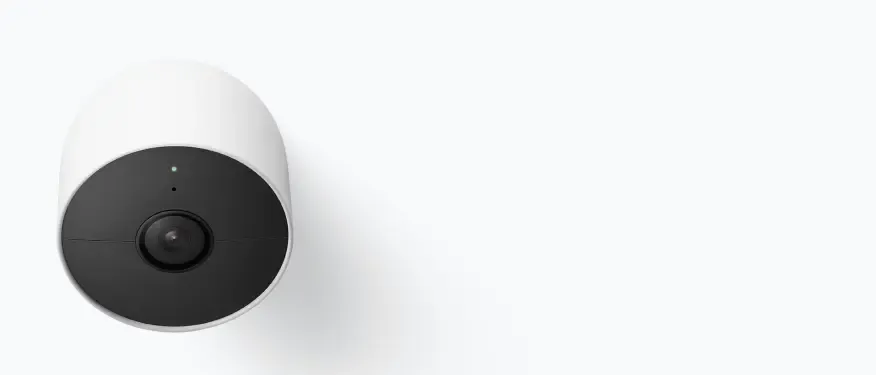
Google Nest outdoor camera

Indoor and outdoor cameras

ADT offers HD indoor and weather-resistant outdoor cameras with features like night vision, motion detection, and cloud recording. These cameras provide visual verification during alerts and can be accessed anytime through the mobile app.

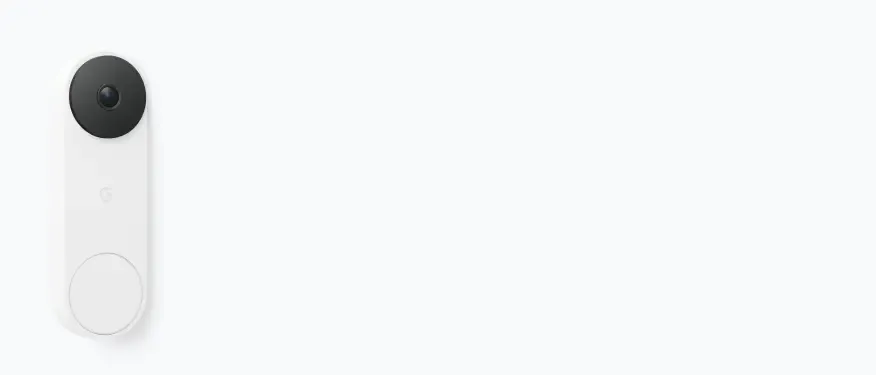
doorbell camera

Video doorbell

A video doorbell lets you see and speak to visitors remotely. It includes motion alerts, live video streaming, and two-way audio. It’s especially useful for monitoring deliveries or screening unexpected visitors.

Smart lock

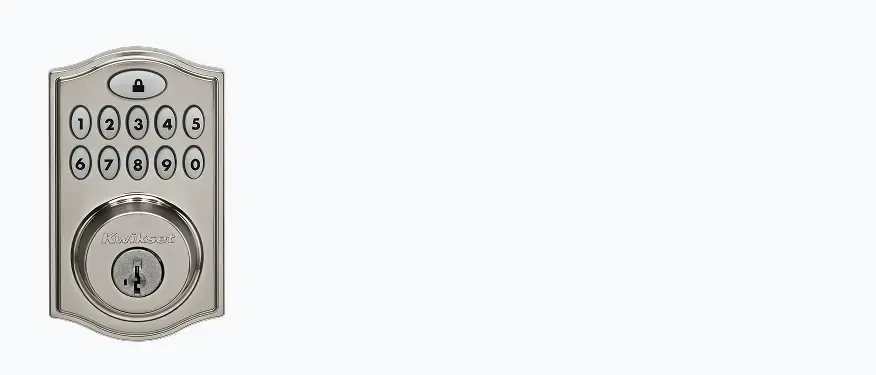
Smart home devices (locks, thermostats)

ADT systems can include smart locks, lights, and thermostats. These devices enable automation—such as locking doors when the system is armed or adjusting the temperature when you leave—creating a more integrated smart home experience.

Male ADT agent monitoring systems

ADT plans and pricing explained

Monitoring tiers

ADT home security monitoring typically costs between $35 and $65 per month, depending on the level of service. Basic plans include intrusion monitoring, while higher tiers add video surveillance, smart home control, and mobile app access. Prices vary by package and promotions.

Most tiers include:

  • 24/7 professional monitoring
  • Cellular backup connectivity
  • Emergency dispatch services

Higher-tier plans add video storage, automation, and advanced alerts. See ADT monitoring packages to find the right package for your home security.

 Equipment costs

ADT equipment can cost anywhere from $200 to $1,500+, depending on your setup. Entry packages include a control panel and a few sensors, while larger systems with cameras and smart devices increase the total.

ADT often offers financing, allowing you to spread equipment costs over your contract term. In some cases, promotional deals reduce upfront costs, but monthly payments may increase.

Early termination fees

ADT typically requires a contract, often 36 months, and early termination fees apply if you cancel early. The fee is usually calculated as a percentage (often around 75%) of the remaining contract balance.

This means if you cancel halfway through your contract, you may still owe a significant portion of the remaining payments. Always review contract terms carefully before signing.

Who ADT home security is best for

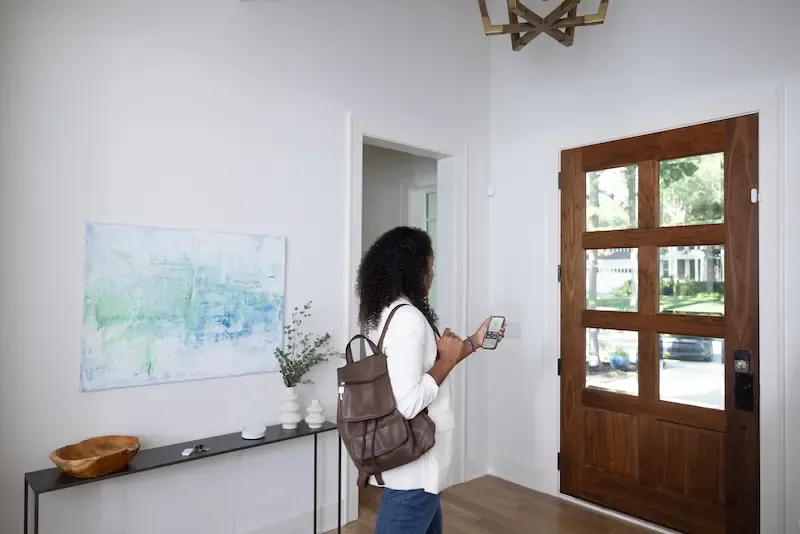
A woman with a backpack stands in a home entryway and uses a smartphone app to control her smart home security system near a wooden front door.

Homeowners vs renters

ADT is generally better for homeowners. The installation process and long-term contract make it less flexible for renters who may move frequently. Renters may prefer DIY systems with no contracts and portable equipment.

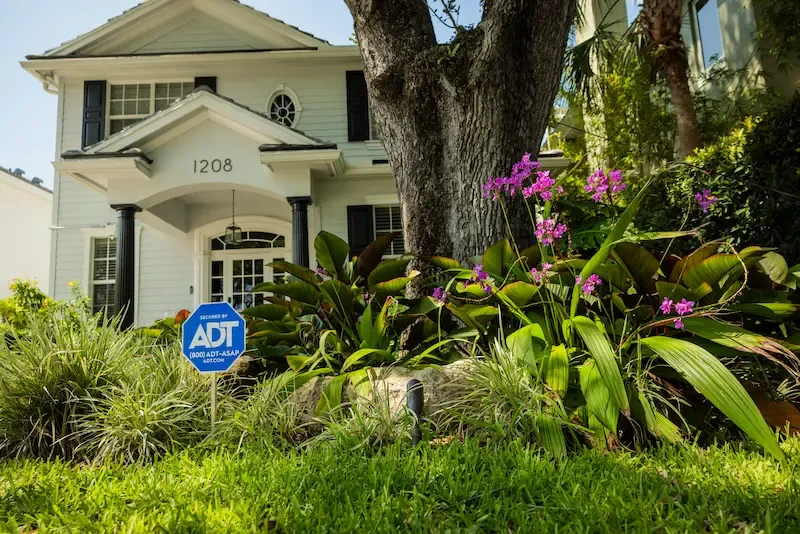
An ADT security yard sign stands in a lush green lawn in front of a white two-story house with a large tree and purple flowers.

Large homes

ADT is a strong choice for larger homes. Its professionally installed systems and extensive equipment options allow full-property coverage, including multiple entry points, outdoor areas, and detached structures.

A woman and a young girl pet a small white dog on a bed in a room equipped with a wall-mounted smoke detector and a window sensor.

Families with children

Families benefit from ADT’s reliability and monitoring response. Features like instant alerts, video feeds, and emergency dispatch provide added peace of mind when children are home alone or when they arrive after school.

A woman wearing a headset works at a computer in a busy professional call center with other employees in cubicles.

People who want professional monitoring

If you want someone else responsible for responding to emergencies, ADT is a top choice. Its monitoring centers provide oversight that self-monitored systems can’t match, especially during emergencies when you may not be able to respond.

ADT vs DIY security systems

ADT vs SimpliSafe

SimpliSafe is a popular DIY alternative.

  • Monitoring cost: SimpliSafe starts around $18–$30/month, lower than ADT
  • Contracts: SimpliSafe has no contracts; ADT typically requires one
  • Installation: SimpliSafe is DIY; ADT is usually professionally installed
  • Flexibility: SimpliSafe equipment is easier to move and customize
  • Monitoring quality: ADT has a larger, more established monitoring network

Bottom line: Choose ADT for professional service and infrastructure. Choose SimpliSafe for affordability and flexibility.

ADT vs Ring

Ring (owned by Amazon) focuses on affordable, camera-first security.

  • Monitoring cost: Ring is cheaper, often under $20/month
  • Ecosystem: Ring integrates deeply with Alexa and smart devices
  • Cameras: Ring offers strong video features at lower prices
  • Monitoring: ADT provides a more robust professional response
  • Contracts: Ring is contract-free; ADT usually is not

Bottom line: Ring is ideal for budget-conscious DIY users. ADT is better for those prioritizing professional monitoring and full-service security.

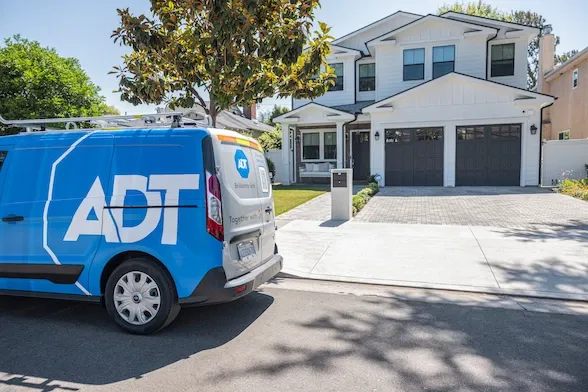
ADT installer van in front of home

Is ADT home security worth it?

ADT is worth it for homeowners who want professional monitoring, reliable emergency response, and a fully installed system. It may not be ideal for renters, budget-focused households, or anyone who prefers contract-free, DIY solutions with lower monthly costs.

The value comes from peace of mind and infrastructure. If you want hands-off security with trained professionals responding to alerts, ADT delivers. If you want flexibility and lower costs, DIY systems may be a better fit.

Frequently asked questions

How much does ADT home security cost per month?

xxx

Does ADT require a contract?

xxx

Can I install ADT myself?

xxx